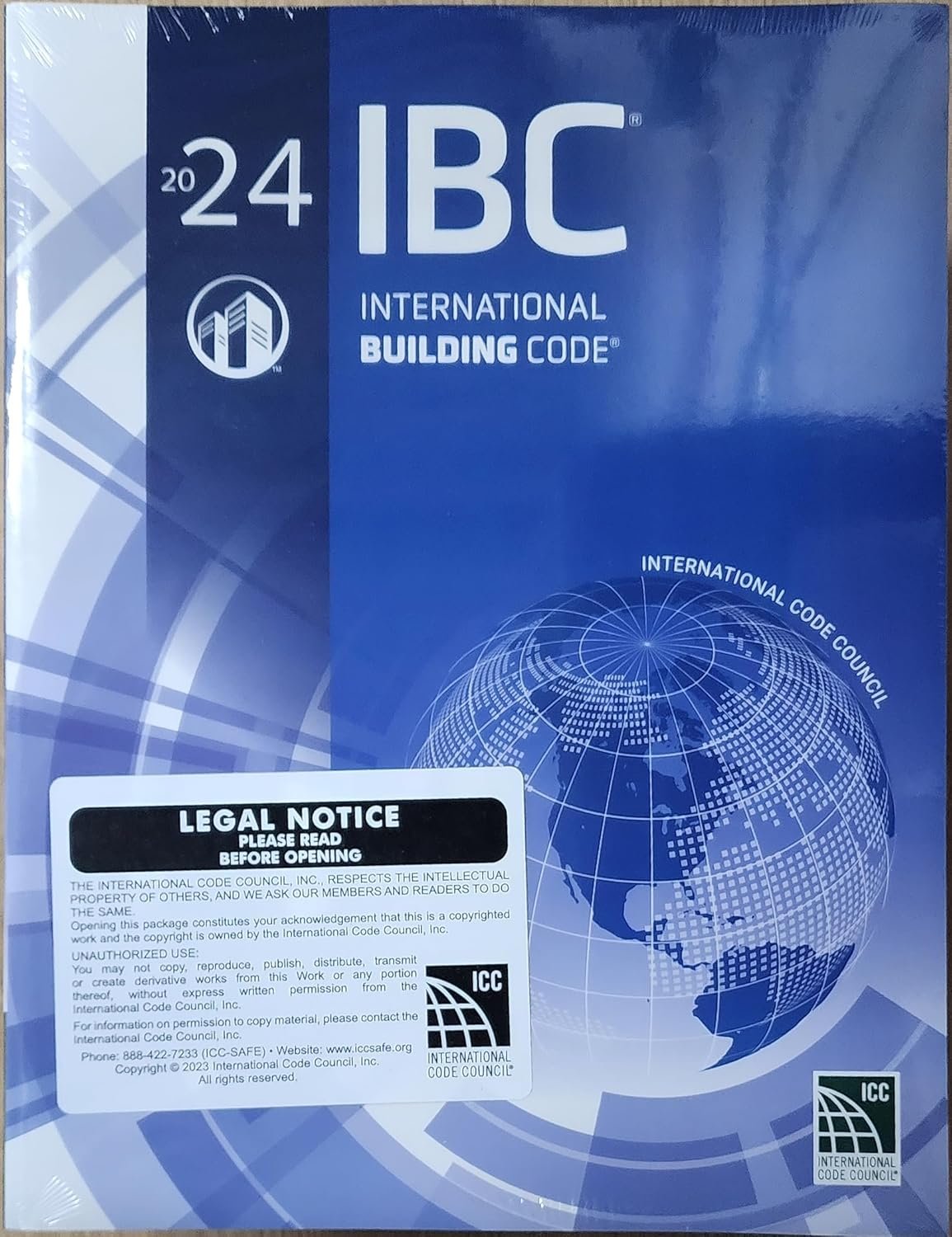
The International Building Code (IBC) establishes minimum requirements for building systems through a combination of prescriptive and performance-based provisions. Built on broad and flexible principles, the code supports the use of innovative materials, construction methods, and building designs while maintaining essential safety standards.
As a model code, the IBC is intended to protect public health, safety, and general welfare by providing minimum regulations for the design, construction, alteration, and maintenance of buildings and structures. It addresses critical aspects of building performance, including structural integrity, means of egress, sanitation, lighting and ventilation, accessibility, energy efficiency, and life-safety requirements.
The IBC applies to virtually all occupancy types and building classifications, including certain one- and two-family dwellings and townhouses that fall outside the scope of the International Residential Code (IRC). The IRC is specifically referenced for detached one- and two-family dwellings and townhouses as described in the exception to Section 101.2 and the definition of “Townhouse” in Chapter 2. In addition, the IRC may be used for the construction of qualifying live/work units and owner-occupied bed-and-breakfast establishments containing five or fewer guest rooms.
Unless specifically exempted, the IBC governs all buildings and structures. Activities and work that are exempt from permit requirements are identified in Section 105.2 of the code. Through its comprehensive provisions, the IBC serves as the primary framework for ensuring safe, functional, and code-compliant buildings across a wide range of construction projects.


Reviews
There are no reviews yet.